 Furniture
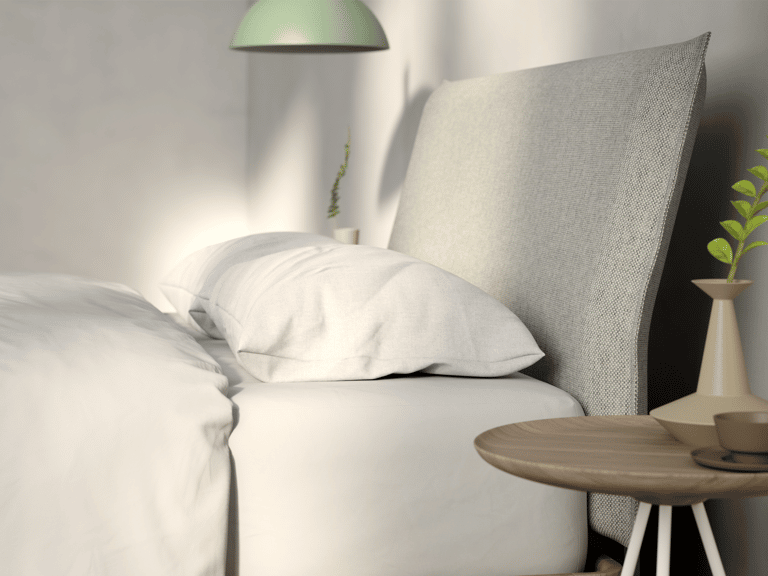
Pillow Repose Headboard
Turn your Casper Repose bed into a cozy, seat-friendly retreat with the Pillow Repose Headboard—soft back support, comfy lounging, and a neutral look that blends with any bedroom.
Bedroom furniture encompasses essential elements that contribute to restorative sleep and functional living spaces. This category emphasizes durable construction, ergonomic design, and materials chosen for comfort and longevity. Understanding how each piece supports daily routines helps in selecting components like frames, headboards, and organizational options that align with room layout and personal preferences.
Key features across bedroom furniture include wood or metal frame stability, finish durability, and insulation against noise and temperature fluctuations. The integration of thoughtful storage solutions, such as under-bed drawers or streamlined dressers, enhances room organization. Materials like solid wood, low-VOC finishes, and breathable textiles prioritize safety and comfort in sleeping environments.
Within this category, the Pillow Repose Headboard exemplifies design that blends aesthetics with function. It offers cushioned support for sitting up in bed, contributing to reading or media-free relaxation. Its padding and contouring can reduce neck strain, while the compatible dimensions ensure alignment with standard bed frames for stable back support.
Usability considerations for bedroom furniture include ease of assembly, alignment with mattress sizes (such as organic mattresses or organic crib mattresses), and maintenance needs. A well-chosen headboard texture and height can influence visual balance and accessibility, supporting posture-conscious seating and creating a cohesive feel with sheets, pillows, and other bedding components.
Overall, the category emphasizes materials, ergonomics, and compatibility with bedding essentials like sheets and pillows. By focusing on product relevance—such as organic mattress compatibility and ergonomic headboard design—consumers can achieve a harmonious sleeping environment. Educational insights into construction, care, and function support informed furniture selections for bedrooms.
Furniture